How to Do Self-Exposure
Think that exposure therapy has to be overwhelming?
The good news is, the opposite is true. The goal of exposure therapy is to titrate slowly and deliberately.
That’s why you won’t see any graphic images below.

An Opportunity for the Brain to Learn
Exposure therapy gives our brain the opportunity to challenge, reframe, and re-author our thoughts, feelings, behaviours, and memories.
When we interrupt a pattern (avoidance) and pay attention to the new results, we increase this learning.
Get to Know Your Willingness Score
This is is another helpful scale to help you notice progress.
How willing you feel to try out an exposure is an excellent thing to notice. Willingness might feel like curiosity, determination, or even playfulness.
Willingness comes from the part of us that is willing to do the work, wants to heal, and knows that good things are coming if we stick to it.
Check in: what Willingness level are you at right now out of 10?

How it Works: Avoidance
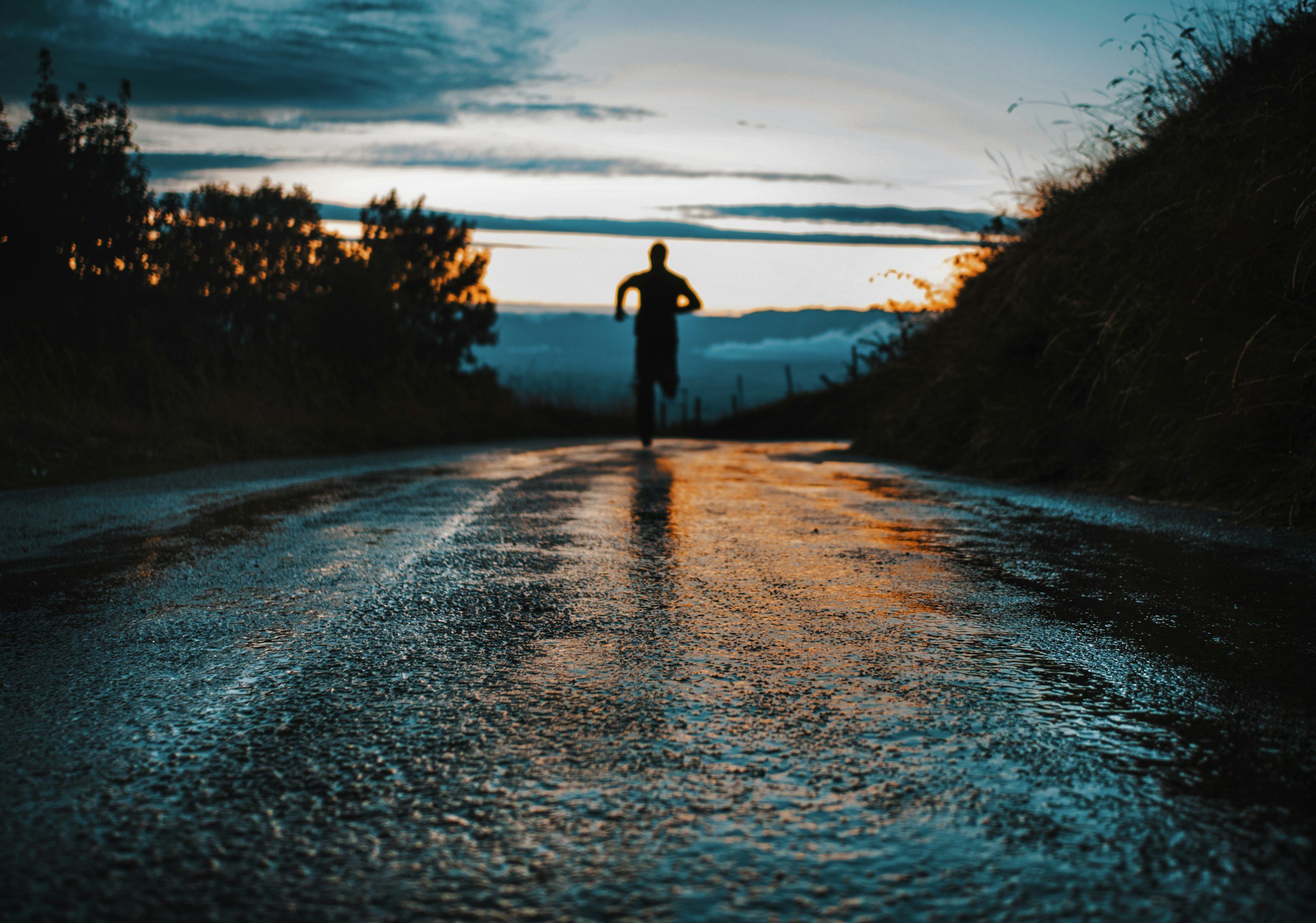
Usually, when we are exposed to a fearful medical trigger (such as a thought, word, image, memory, etc.), we avoid and escape it as quickly as we can. We leave the room, shut our eyes, turn away, or distract ourselves.
What this does over time is teach the brain that the ONLY way to reduce anxiety is to avoid the trigger.
That makes the trigger very, very, very powerful, according to our nervous system. Imagine how dangerous something must be if the ONLY way to respond to it is run away!
By our nervous system’s logic, the trigger must be as scary as anything else that we have to run away from - such as a ravenous lion.
Ready for Exposure?
Forget diving into the deep end. Exposure is meant to be methodical. It starts small. And YOU are the one who decides what comes next.
As you'll see from the following Exposure pages, you want to gain complete mastery over each step before starting the next one. That means riding the full wave of anxiety - no getting off the ride early! (Unless you really need to.)
Before you begin, you can start with your Calm Place.
Choice and Control
Moving too fast, feeling overwhelmed and out of control, or "flooding" can set you back, reaffirming your fears.
Slow and in control is the best way to go.
When you start slow and experience some "wins," you can gain a sense of calm and mastery. You can keep building on those wins until avoidance is replaced by the brain’s new learning.

Get to Know Your SUDs
This is is a helpful term that will come up a lot.
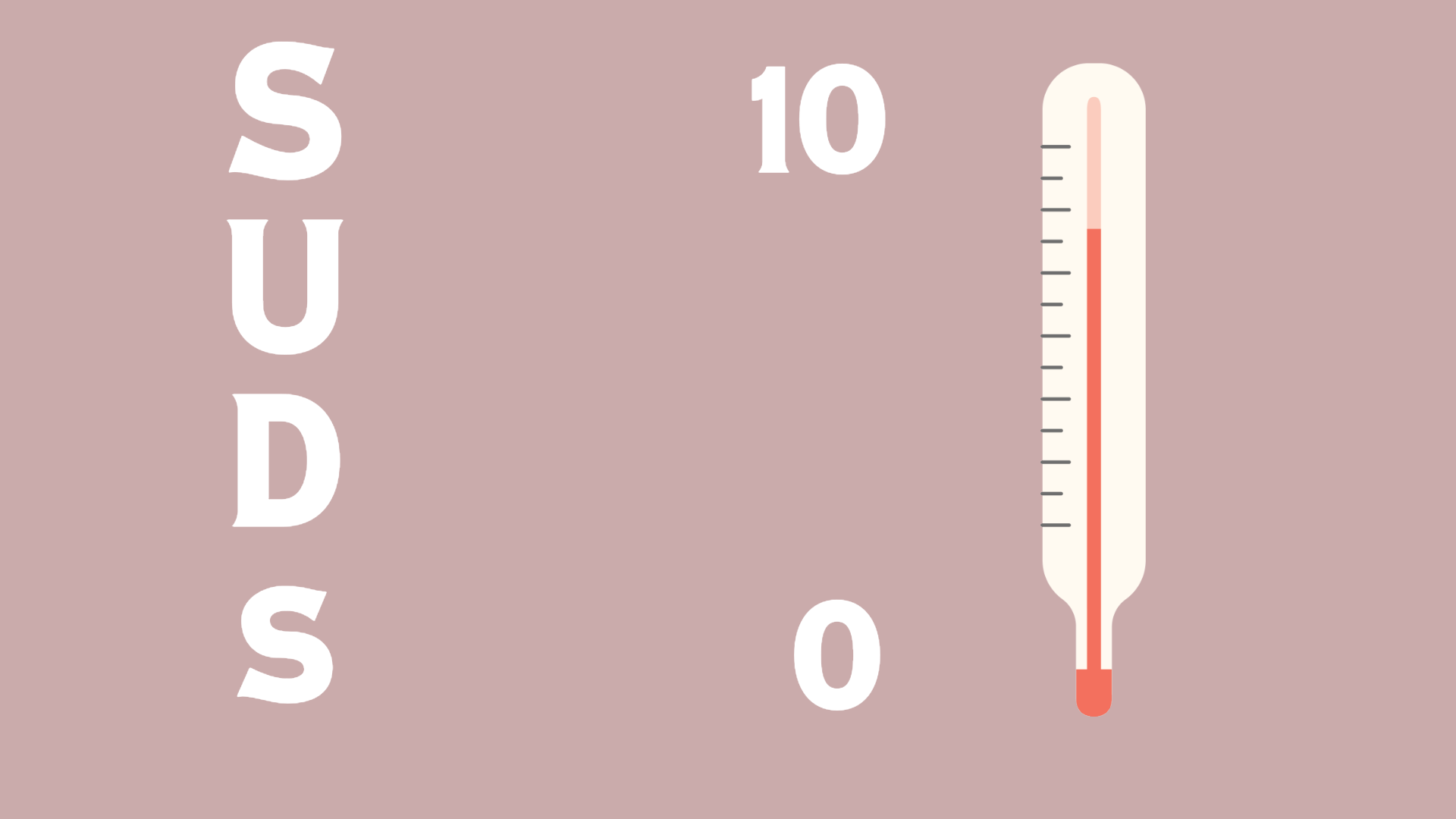
SUD stands for Subjective Units of Distress. We can measure SUDs out of 10.
10/10 SUDs would represent the most distress you've ever felt in your life.
0/10 SUDs would represent a lovely calm with zero distress.
Check in with yourself. What SUD level are you at right now?

Zero In on Calm
A bodily state of zero distress can be rare to come by. As best as you can, imagine a place or time that you felt strong, calm, grounded - or whatever desirable state you want.
It might be a memory of what you feel like while engaged in your favourite activity, or with your favourite person, or in your favourite place. It might be how you feel when laughing at a joke, in a "flow" state, or when you're feeling perfectly safe and content.
This will be your anchor, your home, your calm place to return to over and over again. We can use it to re-train the brain's fear response.
If you can't remember the last time you felt no distress, don't panic. You can work by yourself or with a therapist to find your calm again.
You can explore a Calm Place guided grounding exercise here.
How it Works: Exposure
The opposite of avoidance is exposure.
That doesn’t mean getting overwhelmed on purpose. It actually means:
Exposing yourself and feeling a bit anxious
Not distracting or avoiding the anxiety
And letting the anxiety reduce naturally
That’s it. When anxiety spikes, it also settles. What comes up must come down. Even if it comes in waves, eventually, our anxiety will reduce on its own.
That’s where the enormous learning happens for our brain: we don’t HAVE to avoid in order to have anxiety come down. We can survive the trigger.